Rest in Pixels: A Funeral for the Acronyms That Built the Internet
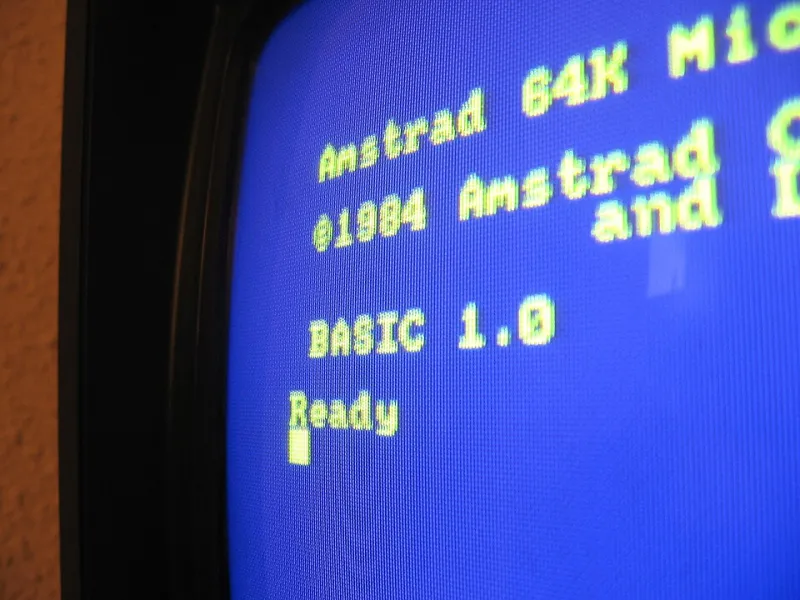
Photo: Manuel Bartual from Madrid, España, CC BY-SA 2.0, via Wikimedia Commons
Gather around. We're here today to mourn.
Not a person, not a brand, not even a meme format — though those die too, and often faster. No, we're gathered to pay respects to a generation of internet acronyms that shaped how millions of Americans communicated online for the better part of two decades. They were clunky, they were joyful, they were sometimes typed in ALL CAPS for emphasis that the words themselves couldn't carry.
They are gone now. Or going. And the obituaries are long overdue.
The Golden Age Nobody Called the Golden Age
Sometime between the rise of AIM (RIP, separately) and the early days of Facebook's News Feed, a linguistic ecosystem flourished in chat windows and forum threads across America. BRB. AFK. TTYL. ROFL. LMAO. SMH. IDK. IRL.
These weren't just shortcuts — they were a whole new grammar for a medium that had never existed before. Written communication had always been slower, more formal, more considered than speech. The internet broke that entirely, and these acronyms were the emergency infrastructure that filled the gap. How else do you convey that something is funny in a text box? You type LOL. How do you signal exasperation without a face? SMH. It was imperfect and beautiful and, for a while, universal.
"What's remarkable about that era is how quickly those terms achieved critical mass," says Dr. Priya Nambiar, a digital communication researcher who has spent an uncomfortable amount of time reading archived Myspace comments for academic purposes. "They crossed demographics, age groups, even some geographic lines. That kind of rapid linguistic adoption is genuinely rare."
Time of Death: It's Complicated
Here's the thing about language dying — it rarely announces itself. There's no press release, no farewell tour. One day ROFL is everywhere; a few years later it's only being typed by your aunt in a family group chat, and the mere sight of it produces a specific secondhand embarrassment that is almost physical.
Take ROFL — Rolling on the Floor Laughing. At its peak, this was a legitimate unit of comedic measurement. Something wasn't just funny; it was ROFL-worthy. Now? The last time anyone used ROFL without irony, the iPhone was still a relatively new concept. It didn't die so much as it became a costume — something you wear to signal that you are either very old online, or doing a bit.
SMH — Shaking My Head — lasted a bit longer, partly because it filled a specific emotional niche (resigned disappointment, a feeling that never goes out of style). But even SMH has been largely displaced. Gen Z doesn't shake its head. Gen Z says "bffr" (be for real) or simply reposts the offending content with a skull emoji, which somehow communicates the same sentiment more efficiently.
ASL deserves a special mention because it went through the most dramatic identity transformation in internet history. In the early 2000s, ASL meant Age/Sex/Location — a standard early-chatroom greeting that was equal parts friendly and vaguely menacing. Today, ASL is American Sign Language to an entire generation, and the original meaning is so thoroughly buried that explaining it to anyone under 22 requires historical context.
Why Gen Z Didn't Just Inherit the Alphabet
Every generation of internet users has treated the previous generation's vocabulary like a relative's old furniture: occasionally charming, mostly inconvenient, and not really theirs. But Gen Z's departure from the classic acronym playbook is particularly complete — and linguists find it genuinely fascinating.
"Gen Z communicates in layers that earlier internet culture didn't really have," Dr. Nambiar explains. "Emoji, GIFs, memes as reaction images, niche references — the channel is so much richer now that a flat acronym often feels like a downgrade. Why type LMAO when you can send a specific SpongeBob frame that conveys exactly which kind of laughing-my-ass-off you mean?"
There's also a social signaling dimension that can't be ignored. Using old acronyms marks you — fairly or not — as someone who is not fluent in current internet. It's the digital equivalent of saying "talk to the hand." Technically communicative. Culturally radioactive.
Reddit and TikTok have both developed their own graveyard aesthetics around this phenomenon. Threads titled "acronyms that died so we could live" regularly surface on r/OutOfTheLoop, filled with nostalgic lists that read like yearbook pages for a graduating class that never actually graduated — they just quietly stopped showing up.
The Ones That Survived (And Why)
Not every classic acronym is in the ground. LOL is arguably immortal at this point, though it has mutated significantly. Linguists have documented that LOL no longer primarily signals laughter — it functions more as a tone softener, a way of making statements feel less blunt. "I can't make it tonight lol" is not funny. It's just nervous. LOL absorbed that job without anyone asking it to, and that adaptability is probably what saved it.
IDK and OMG are similarly durable, possibly because they're short enough to be frictionless and vague enough to mean slightly different things in different contexts. WTF is basically indestructible because human bewilderment is a renewable resource.
But these are the survivors of a mass extinction, not proof that the old world is still intact.
Are We Moving Faster Than Our Brains Can Handle?
Here's the uncomfortable question hiding underneath all the nostalgia: if internet language is cycling through generations of slang fast enough that terms become dated within three to five years, what does that do to communication itself?
"There's some evidence that the acceleration creates in-group and out-group dynamics that are more intense than we've seen historically," says Dr. Nambiar. "Language has always been used to mark belonging, but the speed of change online means the window for being 'in' is shorter. That can be exciting, but it can also be exhausting and exclusionary in ways that are hard to measure."
Or, to put it in terms TPLBT can fully endorse: too many letters, cycling too fast, producing endless entertainment and at least a little anxiety.
A Final Word at the Grave
ROFL. TTYL. ASL. BRB. You built the scaffolding. You carried conversations that would have otherwise collapsed into silence. You made the early internet feel like a place where people were actually talking to each other, even when they were just two usernames in a chat window at 1 a.m.
You were imperfect. You were sometimes embarrassing even then. But you were ours — until you were our parents', and then you were nobody's.
Rest easy. The skull emoji has it from here.