Undead and Undefeated: The Surprisingly Crowded Afterlife of Internet Slang Nobody Asked to Bring Back
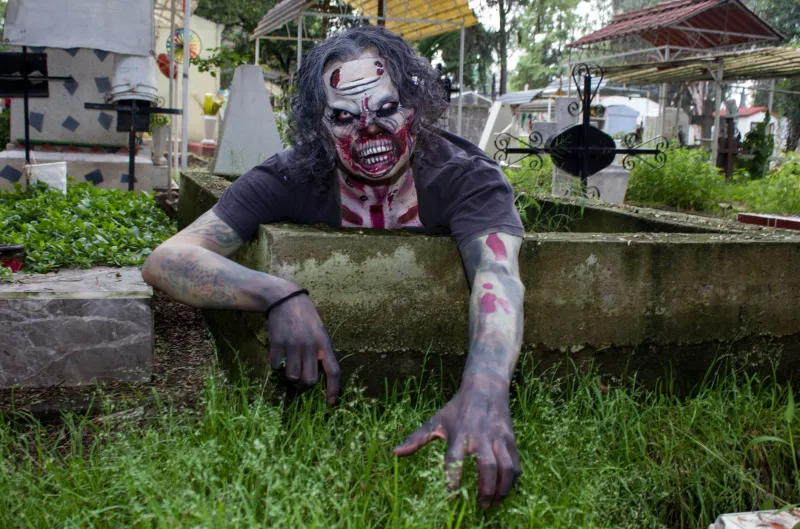
There is a graveyard somewhere — metaphorical, obviously, though someone has probably already bought the domain — where internet acronyms go to rest. ASL. TTYL. ROFL. GTG. They lived fast, they typed furiously, and then one day the culture moved on and left them behind like a flip phone in a Verizon parking lot.
Except some of them didn't stay buried.
And that's the thing about language: it doesn't respect your timeline. Just when you've made peace with the idea that a particular cluster of letters is finished, done, archived, relegated to a BuzzFeed nostalgia listicle from 2019 — it comes crawling back. Sometimes with a new meaning. Sometimes with heavy irony. Sometimes for absolutely no discernible reason whatsoever. Welcome to the acronym resurrection circuit, where the dead don't stay dead and the alphabet refuses to behave.
The Mechanics of a Comeback Nobody Planned
Before we autopsy specific cases, it's worth asking: what actually causes a dead acronym to rise again?
The answer, frustratingly, is "several different things, and also sometimes pure chaos."
Algorithmic resurrection is probably the most common culprit right now. TikTok's For You Page operates like a time machine that occasionally misfires. A single creator uses an old acronym without irony, the algorithm serves it to a cohort of younger users who've never encountered it, and suddenly something that peaked in 2007 is being deployed with total sincerity by a 16-year-old in Ohio who genuinely believes they invented it. The platform doesn't know 2007 existed. Neither does the 16-year-old, frankly.
Then there's the nostalgia industrial complex. Millennials, now well into their careers and parenting years, have developed a habit of weaponizing their own past as a form of cultural currency. Dropping an ancient acronym into a tweet or a group chat functions as a generational dog whistle — it signals membership, shared history, and the specific kind of exhausted humor that comes from being old enough to remember when AIM away messages were a serious emotional communication tool.
Finally, and perhaps most chaotically, there's ironic reclamation. This is where subcultures deliberately excavate dead slang and redeploy it with a knowing wink, stripping the original meaning and replacing it with something more layered, more self-aware, or just more absurd. The acronym becomes a joke about itself. And sometimes the joke becomes so widespread that people start using it without the irony, which is how the cycle completes and everyone loses track of what was sincere to begin with.
Case Study: ROFL Refuses to Retire
Rolling on the floor laughing. ROFL. A relic of early 2000s instant messaging, a cousin to LOL, a phrase that described a physical reaction no one was actually having. By the early 2010s, it had been declared terminally uncool. LOL had survived by becoming a punctuation mark; ROFL had not been so lucky.
And yet. Search the term on any major platform right now and you'll find it alive, well, and apparently thriving in specific corners of gaming communities and extremely online Discord servers. The usage is almost always ironic — deployed to describe something so genuinely funny that the over-the-top antiquated language becomes the joke — but the frequency has crept up in ways that suggest it's crossed back over into casual usage for some demographics.
ROFL didn't come back because it was useful. It came back because it was old, and old became interesting again.
Case Study: ASL and the Context Collapse Special
ASL — age, sex, location — was the calling card of early chatroom culture, a three-letter ritual that kicked off approximately one hundred percent of conversations in AOL chat rooms circa 1999. It also became shorthand for everything sketchy about early internet interaction: the anonymity, the uncertainty, the vague sense that the person on the other end might be lying about all three answers.
ASL died partly because social media made it redundant (your profile already answers those questions, sometimes against your will) and partly because its associations were, to put it gently, not great.
But here's where it gets interesting: ASL has a second life as an abbreviation for American Sign Language, a usage that predates the chatroom version entirely and never went anywhere. The collision of these two meanings in online spaces has created a genuinely funny ongoing disambiguation problem, particularly in comment sections where context is thin. One version of ASL is a harmless linguistic question; the other is a vital communication system for millions of Americans. The internet treats this collision with exactly the level of chaos you'd expect.
The chatroom version of ASL isn't fully resurrected — it's more like a ghost that keeps accidentally showing up in the wrong conversations.
The Ones That Won't Come Back (And Why)
Not every acronym gets a second act. Some are so thoroughly sealed in their cultural moment that revival is structurally impossible. ROFLMAO, for instance, has not made a meaningful comeback because it's simply too long and too specific to a particular flavor of performative enthusiasm that contemporary irony can't quite rehabilitate. The moment passed; the scaffolding collapsed.
Similarly, many acronyms from niche platform cultures — early Tumblr, old-school Vine, the specific language of mid-2000s LiveJournal fanfiction communities — are too context-dependent to survive transplantation. They made sense within a specific ecosystem. Remove the ecosystem, and you're just left with letters.
The determining factor seems to be flexibility. Acronyms that survive long enough to be revived are typically those with enough ambiguity that new generations can project fresh meaning onto them, or enough nostalgia value that older users can use them as a kind of cultural shorthand for an entire era. Specificity is the enemy of resurrection.
What TPLBT Has to Do With Any of This
Here at a site built around the premise that letters multiply faster than meaning can keep up, the acronym resurrection phenomenon feels deeply on-brand. We are, in some sense, living proof that a string of letters can outlast its original context and find new life in unexpected places. The domain name survives. The meaning evolves. The entropy is the point.
The internet's slang graveyard isn't a permanent resting place. It's a staging area. The acronyms that seem most thoroughly buried are often just waiting for the right algorithm, the right irony, the right 19-year-old on TikTok to stumble across them without any of the original baggage.
Some of them will come back better. Some will come back weirder. Some will come back completely unrecognizable, wearing the old letters like a costume.
All of them will trend for exactly 11 days before the cycle starts over.
BTW: that's just how this works now.