Three Letters, Six Figures: The Wild West Economy of Buying and Selling Acronym Domains

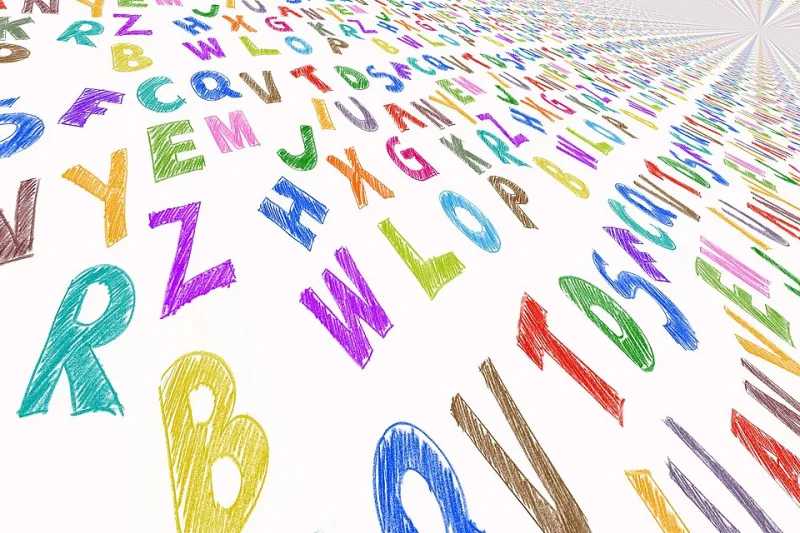
Photo: Syced, CC0, via Wikimedia Commons
Let's be honest: if you stumbled across a website called TPLBT.com, your first instinct probably wasn't investment opportunity. Maybe it was confusion. Maybe mild existential dread. But somewhere in the shadowy corners of the internet — between NFT Discord servers and Excel spreadsheets that would make your accountant weep — a very specific type of person looked at that domain and saw dollar signs.
Welcome to the acronym domain resale market, where three-letter combinations sell for more than a semester of college tuition and everyone is absolutely, positively convinced they've found the next big thing.
The Basics: Why Does a Domain Name Even Cost That Much?
Before we get into the truly unhinged auction prices, a quick primer. Domain names — the URLs that point to websites — are registered through accredited registrars for anywhere from $10 to $20 a year. Simple enough. But like any scarce resource, the good ones get snatched up fast. And in the universe of three-letter .com domains, all of them are already taken. Every single combination of three letters in the English alphabet across a .com extension? Gone. Claimed. Sitting in someone's portfolio collecting digital dust.
That scarcity is the engine that drives everything.
A three-letter domain — called a "3L" in broker shorthand — can represent anything. A company name, a government agency, a streaming platform, a lifestyle brand that doesn't exist yet but absolutely will once the right VC money shows up. Buyers aren't purchasing what the domain is. They're purchasing what it could be. That's the psychological trick at the center of the whole operation.
Real Numbers That Will Make You Question Your Life Choices
Let's talk prices, because the numbers are genuinely difficult to process with a straight face.
Historically, high-profile 3L sales have cleared the $100,000 mark with alarming regularity. The domain sex.com — technically a 3L before the extension — sold for $13 million back in 2010, a record that stood for years. More recently, platforms tracking domain auctions have logged 3L .com sales in the $50,000 to $200,000 range for combinations that, to the untrained eye, look like someone fell asleep on a keyboard.
Four-letter domains, or "4Ls," trade at lower price points but with higher volume. Think of them as the mid-range real estate of the internet — less glamorous than a Manhattan penthouse, but a lot easier to move. Brokers on platforms like Sedo, Afternic, and NamePros report steady demand for 4L combos, particularly those that sound like something: combinations that roll off the tongue, that could plausibly be a fintech startup or a Gen Z fashion brand or, critically, a viral acronym that hasn't been invented yet.
That last category is where things get genuinely speculative.
The Acronym Lottery: Betting on Culture Before It Happens
Here's the pitch that domain flippers make to themselves at 2 a.m.: what if the next LOL is waiting to be born, and I already own the domain?
It's not as crazy as it sounds. LOL, OMG, FOMO, YOLO — these weren't invented by corporations. They bubbled up organically from message boards, text threads, and comment sections, and then suddenly they were everywhere. Companies scrambled to register the domains after the fact, often paying through the nose for something that had been sitting dormant for years.
The speculative play is to own the letters before the meaning attaches to them. Buy WRNK.com today, and maybe in three years "WRNK" becomes the viral shorthand for some cultural moment you couldn't have predicted. Suddenly you're not a person who bought a weird domain — you're a visionary sitting on a windfall.
Most domain investors are careful not to call this gambling. They prefer terms like "alternative asset class" and "digital real estate." To be fair, some of them have the track records to back it up.
Who's Actually Buying These Things?
The demand side of this market breaks down into a few distinct groups, and they want very different things.
Corporate buyers are the holy grail. A Fortune 500 company rebranding to a short, punchy acronym will pay whatever it takes to secure the matching domain. These deals often happen quietly, brokered through intermediaries to keep prices from skyrocketing the moment anyone figures out who's actually buying. If you've ever noticed a major company suddenly operating under a cryptic set of initials, there's a decent chance a domain flipper made a very comfortable year off that transition.
Startup founders are the bread-and-butter customers. The startup ecosystem has a well-documented obsession with short, memorable names, and a clean 3L or 4L domain signals a kind of legitimacy — the idea being that if you could afford the domain, you must be serious. Whether that logic holds up is debatable, but the market believes it, and markets run on belief.
Speculators are the wildcards. These are the people buying up combinations that have no obvious buyer, banking on cultural shifts, emerging industries, or pure dumb luck. Some of them are sophisticated investors with diversified portfolios. Others are deeply optimistic individuals who have read one too many "I turned $500 into $50,000" blog posts.
Is This a Legitimate Investment or Elaborate Vibes?
Depends heavily on who you ask, and more importantly, what they're trying to sell you.
The case for domain investing is straightforward: scarcity is real, demand from corporations and startups is consistent, and the barrier to entry is relatively low compared to other alternative assets. A well-chosen 4L domain purchased for a few hundred dollars and sold two years later for $5,000 represents a return that most index funds would envy.
The case against is equally real: liquidity is terrible, holding periods are unpredictable, and the market is littered with people who bought 500 domains and sold three of them. Unlike stocks, your domain isn't generating dividends while you wait. It's just sitting there, renewing annually, quietly draining your PayPal balance.
Brokers who've been in the space for over a decade tend to give the same advice: quality over quantity, focus on pronounceable combinations, and do not — under any circumstances — buy domains based on trends that are already happening. By the time you've noticed the trend, you've missed the window.
The TPLBT Angle
We'd be remiss not to acknowledge the obvious here. TPLBT.com is, itself, a five-letter acronym domain — the kind of URL that looks like a typo and means everything or nothing depending on your perspective. In the domain market, it's the sort of address that either sells for coffee money or becomes a punchline in a broker's presentation about what not to buy.
Or it becomes an entertainment website that writes about the very market that would dismiss it. Which, honestly, feels like the most on-brand outcome possible.
The acronym resale economy is, at its core, a bet on meaning — on the idea that the right combination of letters will eventually mean something to enough people to justify the price tag. It's speculative, occasionally absurd, and weirdly fascinating. Much like the internet itself.
Somewhere out there, someone is refreshing an auction page for a four-letter domain, absolutely certain they're about to buy the future. They might be right. They're probably not. But the beauty of the acronym market is that neither of you will know for certain until the culture decides.
And the culture, as always, does whatever it wants.