Cease and Desist, LOL: The Corporate Land Grab Turning Internet Slang Into Intellectual Property
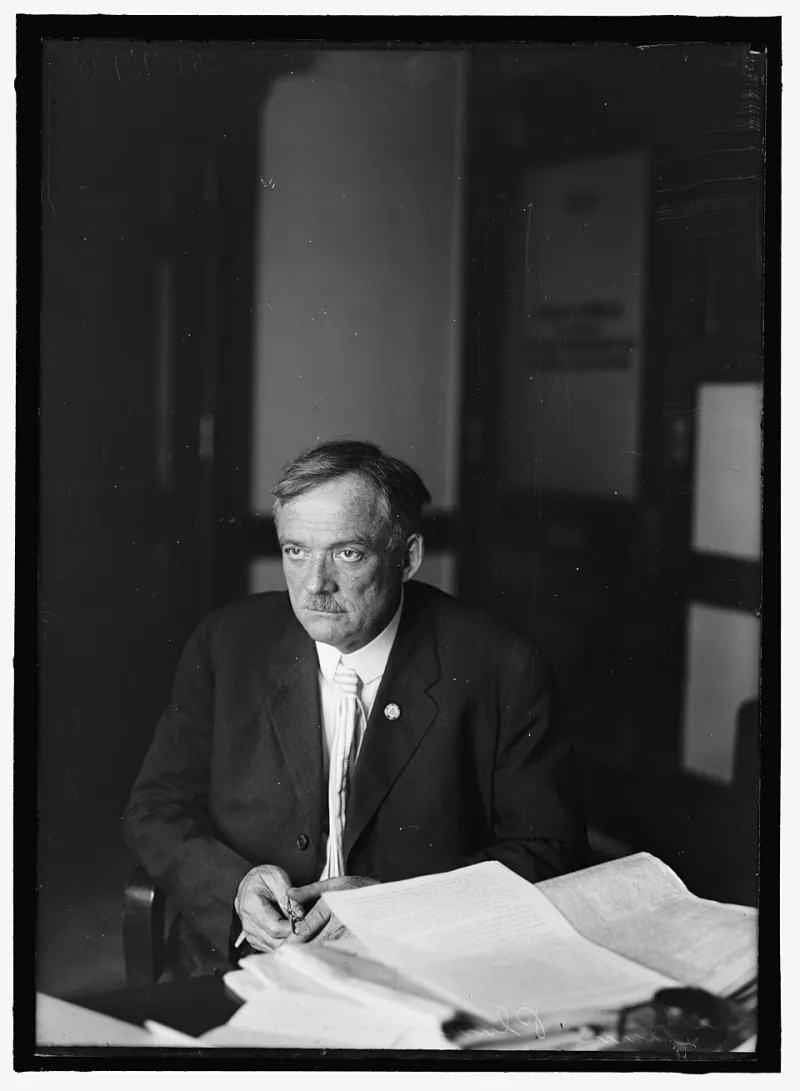
Photo: Harris & Ewing, photographer, Public domain, via Wikimedia Commons
Here at TPLBT — a domain that is itself a collection of letters nobody asked for but somehow ended up with — we have a vested interest in what happens when acronyms go from playful to proprietary. And right now, something genuinely alarming is unfolding in the overlap between trademark law and the internet's shared vocabulary. Brands, startups, and opportunistic legal teams are eyeing the alphabet like it's beachfront real estate, and the rest of us are standing on the shore watching condos go up.
Welcome to the Great Acronym Land Grab. Population: lawyers who definitely use the word "synergy" unironically.
How We Got Here: From AIM Away Messages to Courtroom Exhibits
For most of internet history, acronyms were communal property. LOL, BRB, TTYL — these weren't invented by a single genius in a Menlo Park conference room. They bubbled up organically through AOL Instant Messenger, early forum culture, and the beautifully chaotic energy of people just trying to communicate faster. Nobody owned them. Nobody could own them. They were the linguistic equivalent of a potluck: everyone contributed, everyone benefited, and nobody got a patent on the pasta salad.
Then brands discovered that three or four capital letters could carry enormous cultural weight. And once that happened, the lawyers got hungry.
The U.S. Patent and Trademark Office (USPTO) has seen a significant uptick in applications for short-form marks — including acronyms that have clear colloquial usage histories. The legal standard for trademark protection requires that a mark be distinctive and not merely descriptive, which sounds simple until you realize that courts have occasionally tied themselves into spectacular knots trying to determine whether a widely used internet abbreviation has acquired "secondary meaning" in connection with a specific brand.
Translation: if enough people associate "SMH" with your company specifically, you might have a case. Whether that's right is a different conversation entirely.
The Battles Worth Knowing About
Let's talk specifics, because vague legal anxiety isn't nearly as entertaining as actual courtroom drama involving emoji-adjacent language.
The acronym "IYKYK" — shorthand for "If You Know, You Know" — has been the subject of multiple trademark filings by brands attempting to claim it as a product identifier for everything from apparel to digital media. The internet's reaction was, predictably, chaotic. Creators who had been using the phrase for years suddenly found themselves fielding messages about potential infringement. Most of those cases went nowhere, but the chilling effect was real: people started second-guessing their own captions.
Then there's the ongoing saga around "AF" — the intensifier that Gen Z and millennials have been bolting onto adjectives since roughly 2010. At least two apparel companies have attempted to register AF-related marks, which creates a delightful legal paradox: the phrase is so universally understood that it arguably can't function as a brand identifier, but it's also so culturally loaded that everyone wants to own a piece of it.
And don't even get started on "GOAT." The Greatest Of All Time has been litigated, licensed, and leveraged to the point where the acronym now lives a double life as both universal praise and registered trademark territory, depending entirely on what industry you're operating in.
The Creator Caught in the Crossfire
For independent content creators, this isn't abstract legal theory — it's a practical nightmare. Imagine building a brand around an acronym you genuinely thought was public domain internet vocabulary, then receiving a cease-and-desist letter from a company that filed a trademark application six months after you launched.
This exact scenario plays out more often than you'd think, particularly in the merchandise space. A small creator sells T-shirts with a popular slang acronym. A larger brand files for a trademark. The creator gets a letter. The creator can't afford to fight it. The creator stops selling the shirts.
The power asymmetry is staggering. Trademark disputes are expensive to litigate, and most independent creators simply don't have the resources to challenge even a dubious claim. The result is a slow, quiet privatization of the internet's shared language — not through any single dramatic court ruling, but through a thousand small surrenders.
"The system wasn't built for this," says one intellectual property attorney who asked to remain anonymous because, apparently, even lawyers are nervous about acronym drama. "Trademark law assumes that marks are invented and then adopted. It doesn't have great tools for handling language that was adopted by millions of people and then someone tried to invent ownership of it."
What the Brands Actually Want
Here's the cynical read, and honestly it's probably the accurate one: most companies attempting to trademark internet acronyms aren't doing it because they genuinely believe they invented the phrase. They're doing it for defensive leverage.
If you're a mid-size apparel brand and your entire aesthetic is built around a particular slang term, a trademark registration is insurance. It's a tool you can use against competitors who try to copy your branding. The problem is that the same tool can be deployed offensively against creators who were using the language before you filed your paperwork.
Brand strategists will tell you this is just smart business. And from a pure competitive standpoint, they're not wrong. From a "the internet is a shared cultural space built on collective creativity" standpoint, it's a little villainous.
The Countermovement: When the Internet Fights Back
Occasionally, the collective outrage machine actually works. There have been cases where public pressure — amplified by the very creators being threatened — has caused brands to abandon or modify trademark claims. The viral nature of a good "corporation tried to own this slang" story creates reputational risk that sometimes outweighs the legal advantage.
There's also a growing community of intellectual property advocates and legal clinics specifically focused on helping small creators navigate these disputes. Organizations like the Electronic Frontier Foundation have been vocal about the dangers of trademark overreach into common language, and some law schools now offer clinics where students help creators respond to questionable cease-and-desist letters.
It's not a perfect system. But it's something.
So Who Actually Owns Our Words?
The honest answer is: nobody, and everybody, and it's incredibly complicated, and the lawyers are going to be fine either way.
Internet acronyms exist in a genuinely weird legal gray zone. They're too widely used to be fully captured by any single trademark, but not formally protected in a way that prevents someone from trying. The USPTO will keep receiving applications. Brands will keep filing. Creators will keep getting letters. And the rest of us will keep typing LOL into text boxes, blissfully unaware that somewhere, in a building with very expensive conference chairs, someone is workshopping a legal argument for why they own it.
Here at TPLBT — where our entire identity is built on the audacious premise that too many letters can somehow equal endless entertainment — we'd like to formally state that we are not attempting to trademark any acronyms. Mostly because we couldn't afford the filing fees, but also on principle.
The alphabet belongs to all of us. Even the parts that end up in cease-and-desist letters.